

By Henry Okurut
Uganda’s urban transformation agenda has entered a new phase with the rollout of the Uganda Cities and Municipalities Infrastructure Development program (UCMID).
It is a continuation and expansion of the earlier USMID phases that significantly reshaped the country’s urban landscape.
The new program, spearheaded by the Ministry of Lands, Housing and Urban Development, is designed to position cities and municipalities as engines of economic growth, job creation and national transformation.
It builds on the gains recorded under the first and second phases of the Uganda Support to Municipal Infrastructure Development (USMID), which delivered visible improvements across several urban centers.
Under USMID, government invested heavily in urban infrastructure, completing over 208 kilometres of paved roads across cities including Jinja, Gulu, Masaka, Lira and Fort Portal. These developments improved mobility, reduced travel time and enhanced access to markets and essential services.
In addition, more than 11,500 solar-powered street lights were installed, improving safety and extending business hours in urban areas. Non-motorized transport infrastructure also received a boost, with thousands of kilometers of pedestrian walkways and cycling lanes constructed to support safer and more inclusive mobility.
Drainage systems were upgraded with over 500 kilometers of lined channels, helping mitigate flooding in key urban centers. Investments also extended to solid waste management, markets, taxi parks and recreational facilities creating more organized, liveable and economically vibrant towns.
Notably, the program also extended to refugee-hosting districts, where community access roads, markets and land titling initiatives strengthened livelihoods and improved social cohesion between host communities and refugees.
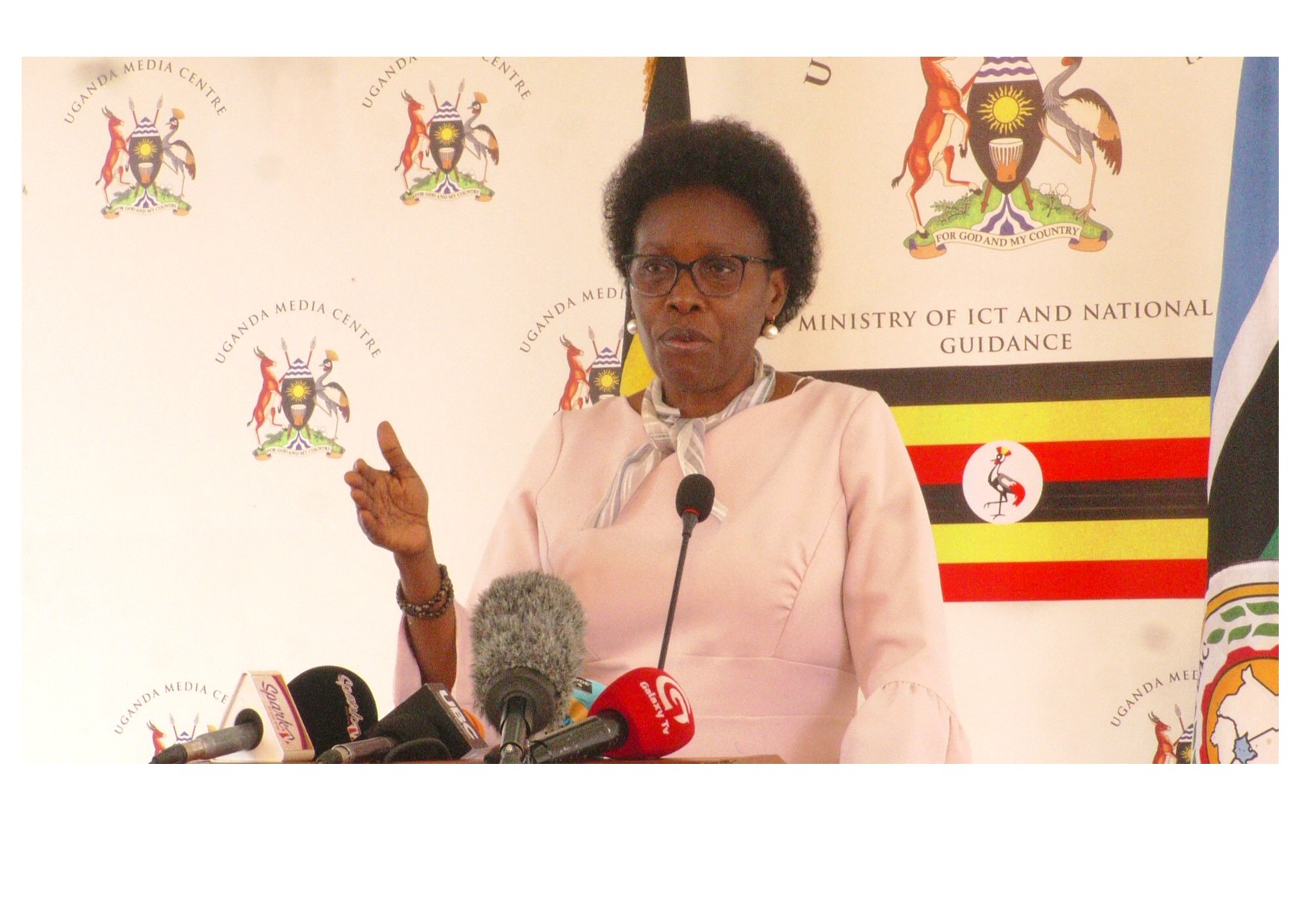
According to Lands Minister Judith Nabakooba, the new UCMID phase seeks to deepen these gains while aligning urbanization with Uganda’s broader economic ambitions.
“Urbanization is a critical enabler of job creation, productivity gains and economic transformation. This program positions cities and municipalities at the center of Uganda’s growth agenda, especially for youth and women,” she said.
A key objective of UCMID is to reduce pressure on Kampala by creating new economic opportunities in secondary cities. Government believes that strengthening infrastructure in emerging urban areas will attract investment, generate employment and improve livelihoods closer to where people live.
The program will focus on five major pillars, including urban roads and mobility, drainage and flood management, green infrastructure, solid waste management and local economic development.
By channelling investments through economic corridors, UCMID is expected to improve connectivity to regional markets, reduce logistics costs and support the growth of small and medium enterprises.
The project is valued at 540 million US dollars, approximately 2.1 trillion Uganda shillings, with support from the World Bank. Of this amount, 80 million dollars is in grants, while the remainder constitutes a loan.
Commissioner for Urban Development, Pade Joseph Walter, noted that the successful implementation of USMID is what attracted additional funding for the new phase.
“The previous project was implemented satisfactorily, both to the government of Uganda and the World Bank. That is why we have secured this additional financing,” he explained.
He added that the earlier phases had a combined investment of about 510 million dollars, further underscoring the scale and continuity of Uganda’s urban development efforts.
Implementation of UCMID is expected to commence in the 2026/2027 financial year, following the signing of financing agreements, stakeholder sensitization and procurement processes. Some infrastructure designs have already been finalized, paving the way for a smooth rollout.
Government has pledged transparency in the execution of the project, particularly in job creation and procurement processes, to ensure maximum benefit to Ugandans. As the country advances toward its Vision 2040 targets, UCMID is expected to play a central role in transforming cities into hubs of opportunity supporting inclusive growth, strengthening local economies and redefining the future of urban Uganda.
hokurut51@gmail.com, +256700114138
