

By Henry Okurut
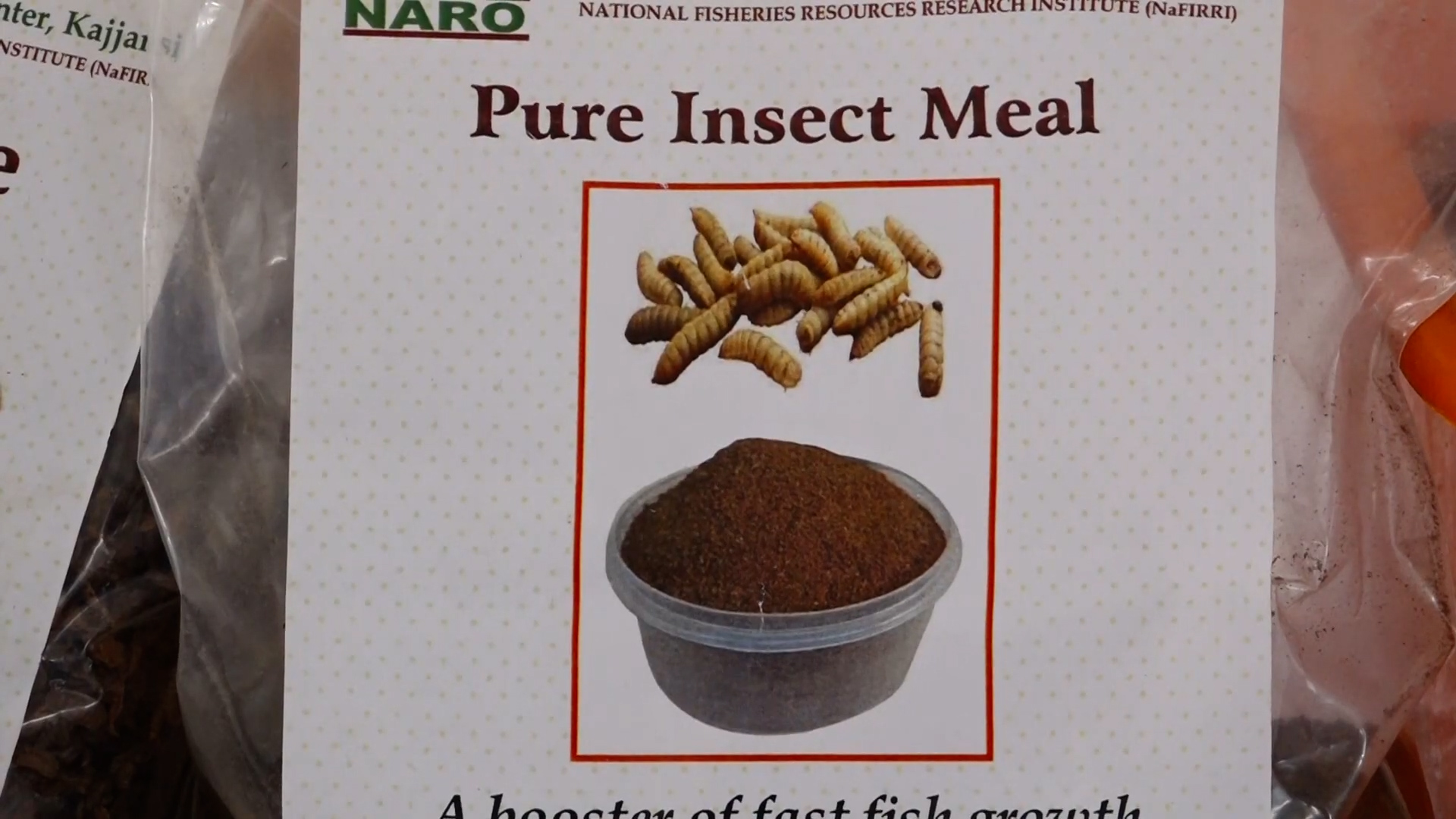
Uganda’s aquaculture sector has received a significant boost with the unveiling of a climate-smart project at the Buginyanya Zonal Agricultural Research Development Institute, aimed at revolutionizing fish feed production using Black Soldier Fly larvae.
The initiative, funded by the World Bank under the Uganda Climate-Smart Agricultural Transformation Project and implemented through the National Agricultural Research Organisation (NARO), seeks to provide a sustainable and affordable alternative to traditional fish feed ingredients such as mukene.
Valued at 250,000 US dollars (approximately 370 million shillings released so far), the three-year project will focus on scaling up the production of Black Soldier Fly larvae and fish protein hydrolysates derived from agro-waste and fish processing by-products.
For years, fish farmers in Uganda have grappled with the high cost of feed, which accounts for up to 70 percent of production expenses. Mukene, a key ingredient in fish feed, has become increasingly scarce and expensive due to high demand for both human and animal consumption.
Researchers at Buginyanya say the Black Soldier Fly offers a viable solution. The insect, which feeds on organic waste such as coffee husks, animal manure and food remains, produces larvae rich in protein and fats; key components required for fish growth.
Project Leader and Research Scientist, Ondhoro Constantine Chobet, says the innovation is designed to convert waste into valuable feed while lowering production costs for farmers.
“We are using agro-waste materials to produce Black Soldier Fly larvae and combining it with fish waste to make highly nutritious feeds,” he explained. “This will reduce reliance on imported feeds and expensive fishmeal.”
According to Chobet, producing one kilogram of Black Soldier Fly larvae costs about 2,500 shillings, compared to nearly 9,000 shillings for fishmeal—making it a significantly cheaper alternative.
Uganda currently produces about 658,000 metric tons of fish annually, with aquaculture contributing roughly 130,000 metric tons. However, despite fish being a major source of protein, per capita consumption remains low estimated at less than 15 kilograms per person per year, far below the recommended 25 kilograms.
Experts attribute this gap to limited supply and high production costs, challenges the new project aims to address.
Fish is a critical component of Uganda’s economy, contributing about 12 percent to agricultural GDP and approximately 3 percent to the national economy. It is also the country’s third-largest foreign exchange earner after gold and coffee, generating about 200 million dollars annually.
Beyond boosting fish production, the project also tackles environmental concerns by recycling organic waste into useful products. The Black Soldier Fly larvae consume waste that would otherwise contribute to pollution, making the innovation both economically and environmentally sustainable.
NARO officials say the project will also help standardize Black Soldier Fly production, which is currently limited and largely confined to small-scale operations and laboratory settings.
By expanding local feed production and reducing costs, stakeholders believe the initiative will encourage more farmers to invest in aquaculture, increase fish availability on the market, and ultimately improve nutrition among Ugandans.
As Uganda pushes to increase aquaculture output to one million metric tons by 2030, innovations like this could play a pivotal role in feeding the nation while creating jobs and supporting sustainable agriculture.
hokurut51@gmail.com, +256700114138
