

As Uganda intensifies preparations to co-host AFCON 2027, the Bunyoro sub-region set to host games in the new Hoima International Stadium is facing an urgent accommodation shortfall estimated at 800 hotel rooms.
Hoteliers and leaders say this gap, far from being a setback, represents one of the region’s biggest economic opportunities in decades made possible by massive infrastructural transformation under the NRM government.
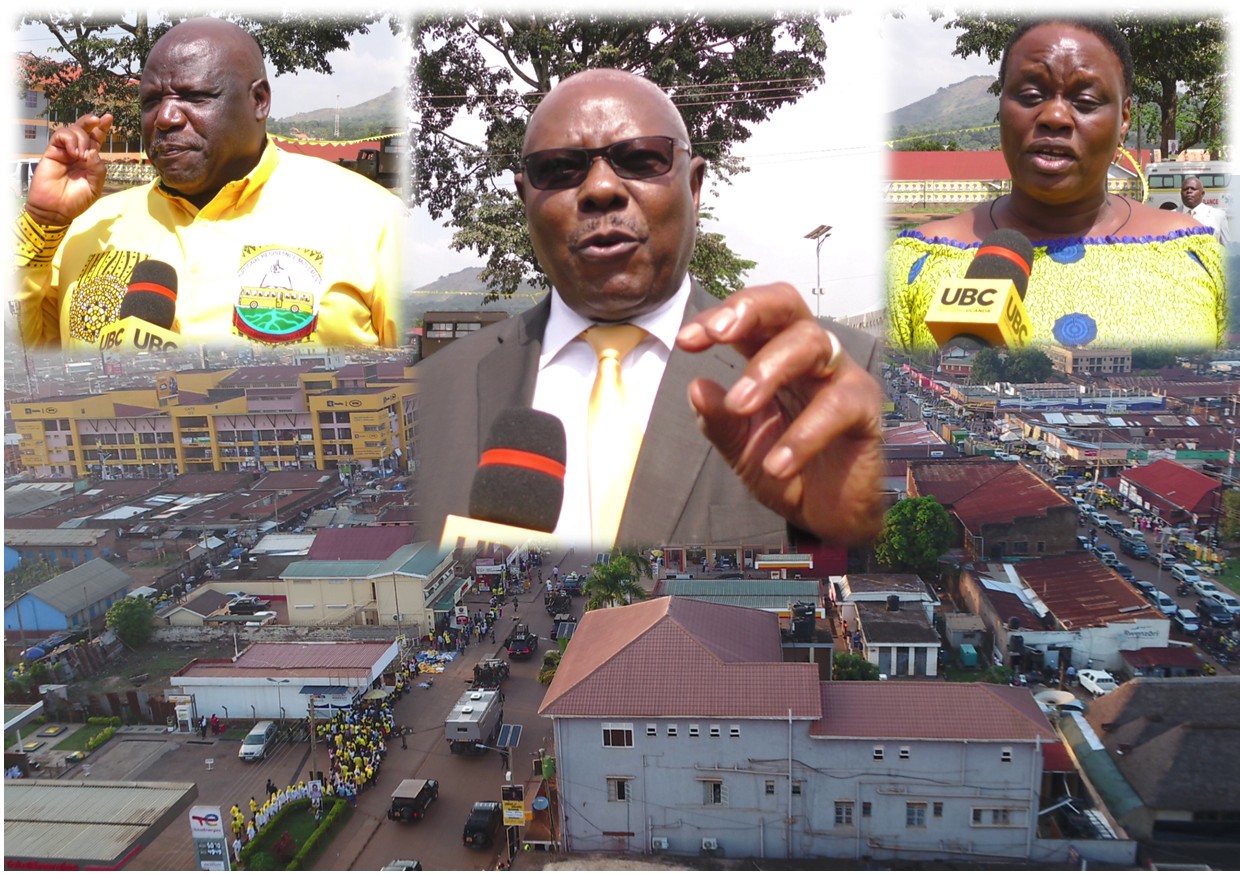
According to Dr. Fred Kabagambe-Kalisa, Chairman of the Bunyoro Hotel Owners’ Association and Presidential Advisor on Oil and Gas, the region is experiencing a level of attention and growth never seen in its long history.
“For a long time, this Bunyoro region, Hoima, was over-neglected by past governments,” he said, citing historical marginalization dating back to the colonial era.
“But when we started the oil exploration program and were successful in our discoveries, development started very fast.”
He attributes the region’s current economic momentum to deliberate government investment: modern road networks connecting Hoima, Masindi, Kikuube, Kibaale and Kagadi; the 660MW Karuma hydropower plant the largest in Uganda; multiple smaller hydropower stations; and the newly completed international airport in Hoima.
“Then you have the international stadium for AFCON 2027. Clearly, there has been evident development of economic importance in this sub-region,” he said.
Dr. Kabagambe-Kalisa noted that alongside these macro-investments, government poverty-reduction programs have penetrated the household level, boosting incomes and local enterprise. Yet the booming hotel sector still has to catch up.
“We need a minimum of 1,000 rooms to cater for the core people involved in AFCON,” he explained. “Right now, we have only about 200 ready rooms. We are working to improve accommodation for the missing 800 rooms and upgrade hotels to four-star level in collaboration with government.”
NRM’s Director of Communication Emmanuel Dombo describes Hoima as one of the most beautiful and fastest-growing cities in Uganda now widely known as the Oil City. He says the service industry has expanded dramatically;
“There are many hotels, many visitors coming in, and many people getting jobs. The city is a market for producers, farmers supplying eggs, food and other items. The best stadium in Uganda is here, and with the airport, investment opportunities are rising.”
Dombo highlights that AFCON’s requirement for an international airport has turned Hoima’s Kabalega International Airport into a catalyst for jobs, tourism, and investor inflows.
“When visitors increase, they will need transport, food, services and places to sleep. All these interact in an economy and make each other happy,” he said.
Sheema District Woman Member of Parliament Rosemary Nyakikongoro, campaigning in Hoima, said the transformation in Bunyoro is reason enough for residents to stand firmly behind the NRM government.
“When you look at the oil roads, the airport, the refinery, the new stadium, everything has changed. Hoima never used to look like this,” she said. “Hotels are coming up, and once football arrives, people will need sleep and food. Farmers, youth and service providers will benefit.”
She emphasized that jobs are already visible in hotels, at the airport and at the new stadium grounds and that AFCON 2027 will multiply these gains.
With only two years to bridge an 800-room hotel gap, Bunyoro is racing against time. But local leaders and hoteliers agree on one thing: AFCON 2027, combined with oil-sector expansion and newly completed government infrastructure, has positioned the sub-region for an economic leap that could redefine its future.
“People are excited,” Dr. Kabagambe-Kalisa said. “There has been a macro push to lift the place and now, an opportunity to build prosperity at the household level.”
